

Discover the Kitchen Tool Everyone Is Raving About!
- • Precision Engineered: Sharp blade with durable craftsmanship.
- • Comfort First: Ergonomic design for effortless slicing.
- • Stylish & Strong: Elegant wood handle meets stainless steel strength.
- • Risk-Free Pick: Thousands of happy home chefs can’t be wrong.
- • Today’s Deal: Just $29.95 instead of $99.85 — limited-time offer!
This post may include affiliate links — learn more here .
Introduction
Homemade Bread is one of the most wholesome, comforting, and rewarding recipes you can master in your kitchen. Few things compare to the warm, yeasty aroma that fills your home as the dough rises and bakes into a golden, crusty loaf. Whether you are an experienced baker or a complete beginner, making bread from scratch connects you to a long-standing culinary tradition found in cultures all over the world.
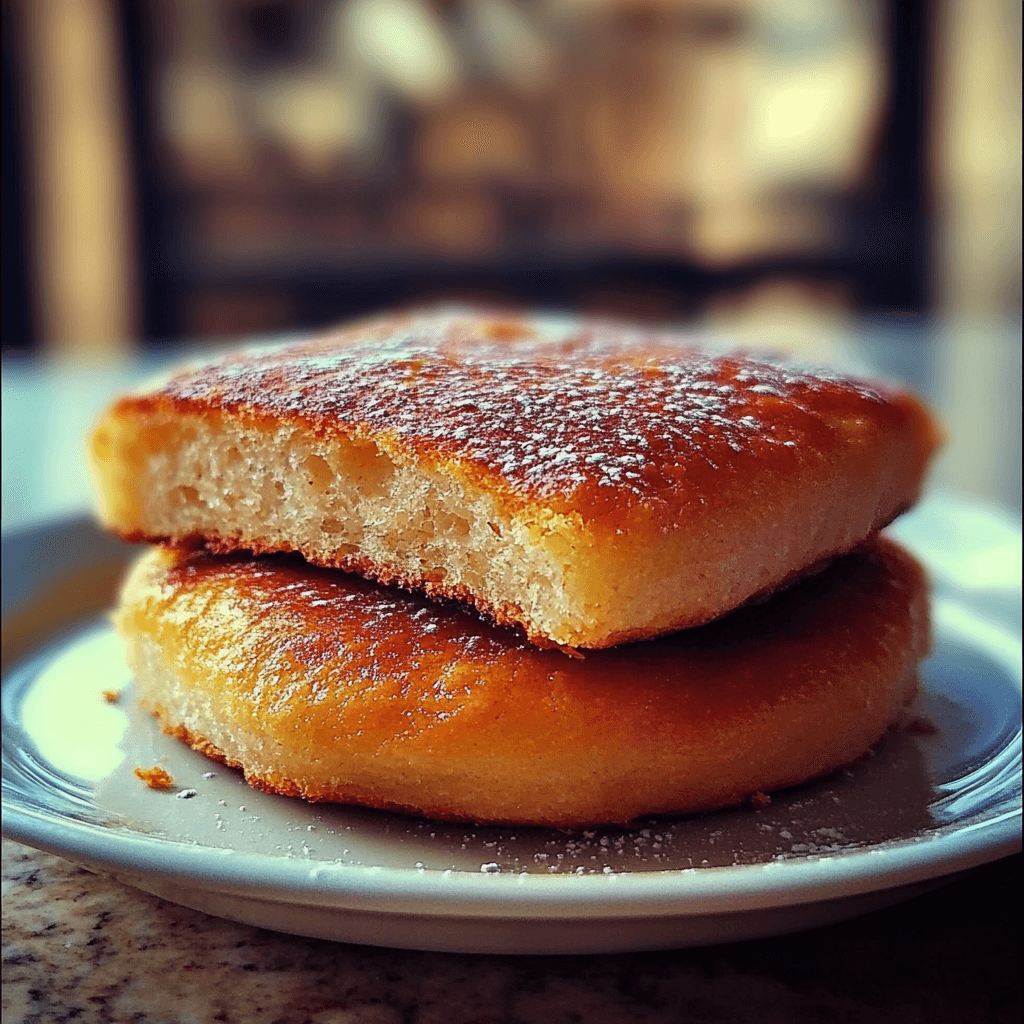
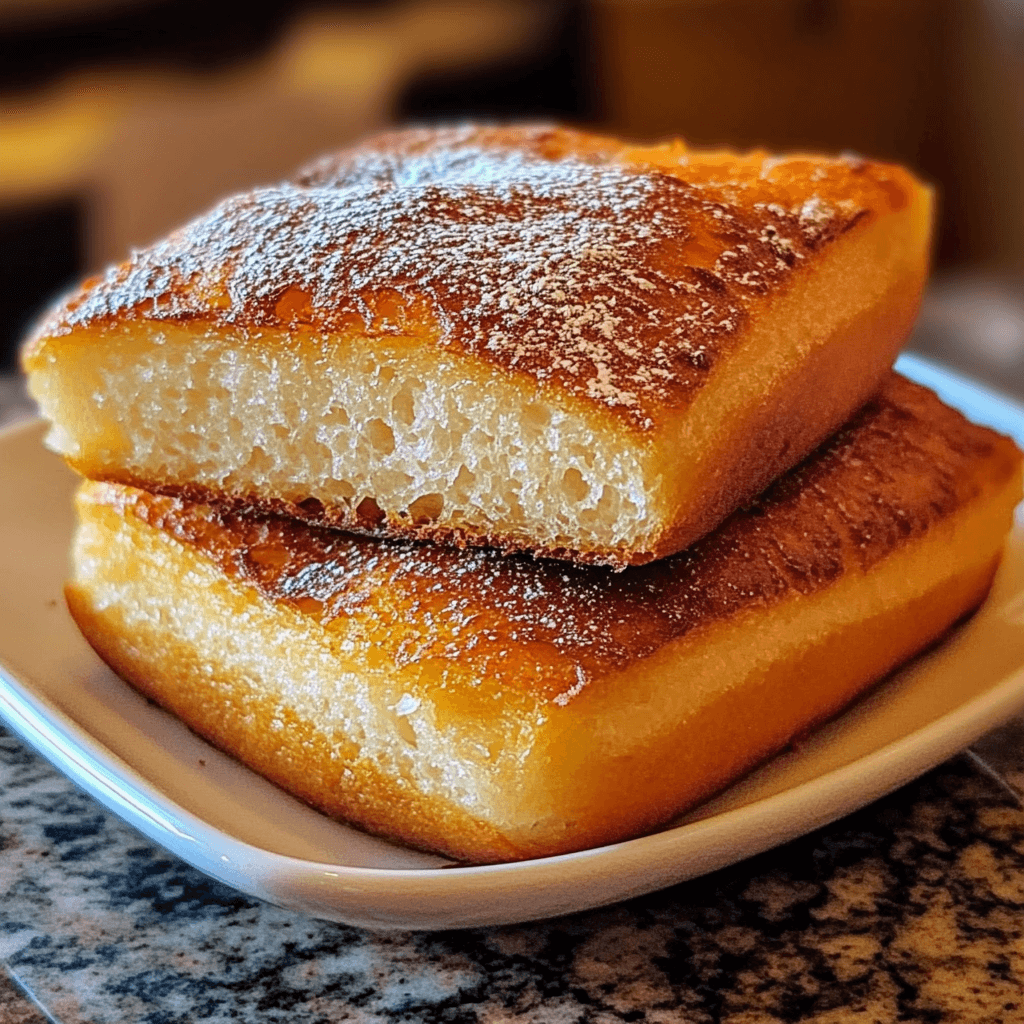
This particular Homemade Bread recipe is soft on the inside with a lightly crisp crust, making it incredibly versatile. It’s perfect for sandwiches, toast, or simply tearing off a warm piece to dip into soup or olive oil. Better yet, this version is entirely halal-friendly, containing no alcohol, no pork byproducts, and using basic pantry staples available in most kitchens.
With just a few ingredients, a little time, and some simple techniques, you’ll discover that making your own bread is not only possible—it’s deeply satisfying. This recipe is great for family meals, gatherings, school lunches, or just elevating your daily routine with freshly baked bread.
Perfect for:
- Everyday home baking
- Learning the basics of dough handling and proofing
- School or work sandwiches
- Accompanying halal meals like lentil stew, grilled chicken, or vegetable soup
- Gifting to friends or neighbors
- Customizing with savory or sweet ingredients
Why You’ll Love This Homemade Bread Recipe
Here’s why this Homemade Bread recipe will likely become a staple in your kitchen:
- Soft, Pillowy Texture: The perfect balance between lightness and chewiness—great for slicing.
- Golden Crust: With a light brushing of oil or milk before baking, you get a thin, crisp crust that enhances texture without being too tough.
- Halal-Friendly and Clean Ingredients: No artificial preservatives or additives, just honest ingredients you can pronounce.
- Beginner-Friendly Process: Simple, clear steps that guide even novice bakers through the dough-making journey.
- No Special Tools Required: All you need is a bowl, your hands, and an oven—no bread machines or expensive equipment necessary.
- Cost-Effective and Fresh: Baking your own bread is far more affordable and flavorful than many store-bought versions.
Homemade Bread Recipe: Preparation and Cooking Time
- Total Time: About 2 hours 45 minutes
- Preparation Time: 20 minutes
- First Proofing (Rising): 1 to 1½ hours
- Second Proofing: 30–45 minutes
- Baking Time: 30–35 minutes
- Servings: 12–14 slices (1 large loaf)
- Calories per slice: Approximately 130–150 calories
Ingredients for Homemade Bread
- 3 ½ cups (450g) all-purpose flour or bread flour
- 1 packet (2 ¼ teaspoons) active dry yeast
- 1 ¼ cups (300ml) warm water (about 110°F / 43°C)
- 1 tablespoon granulated sugar or honey
- 1 ½ teaspoons salt
- 2 tablespoons olive oil or any neutral halal-friendly vegetable oil
Optional Toppings and Add-Ins:
- 1 tablespoon sesame seeds or rolled oats (for sprinkling on top)
- 2 tablespoons chopped fresh herbs (like parsley or thyme)
- 1 clove garlic, finely minced (mix into dough for a savory variation)
- ¼ cup chopped olives or sun-dried tomatoes (for Mediterranean flair)
Ingredient Highlights for Homemade Bread
- Flour: Bread flour results in a chewier texture due to its higher protein content, but all-purpose flour will still yield an excellent loaf.
- Yeast: Active dry yeast is easy to find and reliable for good rise and texture.
- Water: Must be warm—not hot—to activate the yeast. Ideal temperature is around body heat (110°F/43°C).
- Sugar or Honey: Feeds the yeast and adds a subtle sweetness that balances the salt.
- Salt: Essential for flavor and to control yeast activity during proofing.
- Olive Oil: Adds richness, extends shelf life, and contributes to a softer crumb.
Step-by-Step Instructions

Step 1: Activate the Yeast
- In a small bowl, stir the sugar or honey into warm water.
- Sprinkle the yeast over the water and let it sit for 5–10 minutes until it becomes frothy. This means your yeast is active.
Step 2: Make the Dough
- In a large bowl, combine flour and salt.
- Add the frothy yeast mixture and olive oil.
- Mix with a wooden spoon or your hand until a rough dough forms.
Step 3: Knead the Dough
- Turn the dough out onto a lightly floured surface.
- Knead for about 8–10 minutes by hand or 5–6 minutes in a stand mixer, until the dough is smooth and elastic. It should bounce back when pressed with a finger.
Step 4: First Rise (Proofing)
- Form the dough into a ball and place it into a lightly oiled bowl.
- Cover with a clean towel or plastic wrap.
- Let rise in a warm spot for 1 to 1½ hours, or until doubled in size.
Step 5: Shape the Loaf
- Punch down the dough to release air.
- Shape it into a loaf by folding the dough over itself, then place it into a greased 9×5-inch loaf pan or shape into a round boule for a rustic style.
Step 6: Second Rise
- Cover again and let the dough rise a second time for 30–45 minutes, until it rises just above the pan.
Step 7: Bake the Bread
- Preheat the oven to 375°F (190°C).
- For a soft crust, brush the top with oil or milk.
- Bake for 30–35 minutes, until the top is golden and the loaf sounds hollow when tapped.
Step 8: Cool and Slice
- Remove from pan and cool on a wire rack for at least 30 minutes before slicing to avoid a gummy texture.
How to Serve Homemade Bread
- As Toast: Perfect with butter, jam, cream cheese, or nut spreads.
- For Sandwiches: Load with halal turkey, cheese, egg salad, or falafel patties.
- Alongside Soups: Ideal for dipping into lentil soup, tomato soup, or chickpea stew.
- With Olive Oil and Herbs: Tear into chunks and serve with seasoned olive oil.
- As French Toast: Use leftover slices to make a rich breakfast by dipping in a milk and egg mixture and frying.
Additional Tips for Homemade Bread
- Measure Accurately: Spoon flour into the measuring cup and level off with a knife—don’t scoop directly.
- Check Your Yeast: If the yeast doesn’t foam, your bread won’t rise. Always use fresh yeast.
- Don’t Overknead: Too much kneading can result in a dense loaf.
- Let It Cool: Cutting hot bread can cause it to collapse. Wait at least 30 minutes.
- Humidity Helps: If your kitchen is dry, place a bowl of warm water in the oven while the bread bakes to help create a better crust.
Recipe Variations of Homemade Bread
- Whole Wheat Bread: Replace half of the flour with whole wheat flour for more fiber and a nuttier flavor.
- Herb and Garlic Bread: Add minced garlic and mixed herbs directly to the dough.
- Zaatar Swirl Bread: Roll zaatar and olive oil into the dough before shaping.
- Olive Bread: Mix chopped green or black olives into the dough.
- Seeded Bread: Top with sesame, poppy, or sunflower seeds for texture and nutrition.
- Sweet Bread: Add raisins and a teaspoon of cinnamon for a lightly sweet breakfast loaf.
- Oat Bread: Stir in rolled oats and a spoonful of honey for a rustic texture.
- Spelt Bread: Use spelt flour for a nutty, more ancient grain profile.
- Pull-Apart Rolls: Divide dough into balls and bake in a cake pan for dinner rolls.
- Mini Loaves: Perfect for gifting or portion control, use mini loaf pans to divide dough.
Freezing and Storage for Homemade Bread
- Room Temperature: Store in a bread box or airtight container for up to 5 days. Keep out of the fridge to avoid drying.
- Freezing: Wrap loaf or slices tightly in foil or a freezer bag. Freeze up to 3 months.
- Reheating: To refresh a slice, toast it or heat in the oven at 300°F (150°C) for 5–10 minutes.
Special Equipment for Homemade Bread
- Mixing bowls (at least 2 sizes)
- Measuring cups and spoons
- Loaf pan (9×5-inch) or baking sheet
- Dough scraper or spatula
- Wire cooling rack
- Kitchen towel or plastic wrap
- Oven thermometer (optional for accuracy)
- Bench knife or serrated knife (for slicing)
- Stand mixer with dough hook (optional)
FAQ Section about Homemade Bread
- Can I use instant yeast instead of active dry yeast?
Yes, you can substitute instant yeast 1:1 and skip the proofing step—just mix it with your dry ingredients. - How do I know the bread is done baking?
It should sound hollow when tapped on the bottom and have a golden-brown top. - Can I add milk instead of water?
Yes, using milk makes the bread richer and softer, just ensure it’s halal-certified. - Can I make this recipe gluten-free?
You’ll need a 1:1 gluten-free flour blend and possibly a binder like xanthan gum. Expect different texture. - What should I do if my bread doesn’t rise?
Check that your yeast is fresh, water was warm enough, and that the room is warm during proofing. - Why is my bread dry?
Overbaking or adding too much flour during kneading can cause dryness. Weigh your ingredients for accuracy. - Can I double the recipe?
Yes, you can double all ingredients and divide into two loaves—just ensure they bake evenly.
Homemade Bread

- Prep Time: 20 minutes
- Total Time: 2 hours
Ingredients
- 3 ½ cups (450g) all-purpose flour or bread flour
- 1 packet (2 ¼ teaspoons) active dry yeast
- 1 ¼ cups (300ml) warm water (about 110°F / 43°C)
- 1 tablespoon granulated sugar or honey
- 1 ½ teaspoons salt
- 2 tablespoons olive oil or any neutral halal-friendly vegetable oil
Optional Toppings and Add-Ins:
- 1 tablespoon sesame seeds or rolled oats (for sprinkling on top)
- 2 tablespoons chopped fresh herbs (like parsley or thyme)
- 1 clove garlic, finely minced (mix into dough for a savory variation)
- ¼ cup chopped olives or sun-dried tomatoes (for Mediterranean flair)
Ingredient Highlights for Homemade Bread
- Flour: Bread flour results in a chewier texture due to its higher protein content, but all-purpose flour will still yield an excellent loaf.
- Yeast: Active dry yeast is easy to find and reliable for good rise and texture.
- Water: Must be warm—not hot—to activate the yeast. Ideal temperature is around body heat (110°F/43°C).
- Sugar or Honey: Feeds the yeast and adds a subtle sweetness that balances the salt.
- Salt: Essential for flavor and to control yeast activity during proofing.
- Olive Oil: Adds richness, extends shelf life, and contributes to a softer crumb.
Instructions
Step 1: Activate the Yeast
- In a small bowl, stir the sugar or honey into warm water.
- Sprinkle the yeast over the water and let it sit for 5–10 minutes until it becomes frothy. This means your yeast is active.
Step 2: Make the Dough
- In a large bowl, combine flour and salt.
- Add the frothy yeast mixture and olive oil.
- Mix with a wooden spoon or your hand until a rough dough forms.
Step 3: Knead the Dough
- Turn the dough out onto a lightly floured surface.
- Knead for about 8–10 minutes by hand or 5–6 minutes in a stand mixer, until the dough is smooth and elastic. It should bounce back when pressed with a finger.
Step 4: First Rise (Proofing)
- Form the dough into a ball and place it into a lightly oiled bowl.
- Cover with a clean towel or plastic wrap.
- Let rise in a warm spot for 1 to 1½ hours, or until doubled in size.
Step 5: Shape the Loaf
- Punch down the dough to release air.
- Shape it into a loaf by folding the dough over itself, then place it into a greased 9×5-inch loaf pan or shape into a round boule for a rustic style.
Step 6: Second Rise
- Cover again and let the dough rise a second time for 30–45 minutes, until it rises just above the pan.
Step 7: Bake the Bread
- Preheat the oven to 375°F (190°C).
- For a soft crust, brush the top with oil or milk.
- Bake for 30–35 minutes, until the top is golden and the loaf sounds hollow when tapped.
Step 8: Cool and Slice
- Remove from pan and cool on a wire rack for at least 30 minutes before slicing to avoid a gummy texture.
Nutrition
- Serving Size: 12
- Calories: 130
Conclusion of Homemade Bread
Homemade Bread is more than just a recipe—it’s a deeply rewarding experience that brings warmth and nourishment into your home. With basic ingredients, simple steps, and endless variation possibilities, this halal-friendly loaf is the perfect starting point for your baking journey. Whether you enjoy it toasted for breakfast, served with dinner, or packed into a lunchbox, Homemade Bread is a versatile and dependable staple that you’ll return to again and again. Start kneading, and bring the joy of fresh bread to your table today.